Know Thyself, Know Thy People, Know Thine Environment
SOCIAL ENVIRONMENTBASEBALLSPECIAL OPERATIONSSUN TZU
Many people associate business primarily with data and dollars, using terms like “data driven” and emphasizing technical competence as the most desirable skill for higher level managers. However, in most enterprises, people are the basic unit of operation, and those people are the executors of the organization’s vision. Since people are the ones using tools and machines to deliver the product or service, profit often depends on their cohesion and collaboration. To succeed, managers must cultivate a deep knowledge of human personalities and proclivities, and practice establishing and leading through connection. Knowledge of humans means understanding yourself, understanding your people, and understanding your social environment.
Know Thyself: Most of us have heard this quote attributed to Socrates but, along with other maxims, these words were inscribed on the columns of Apollo’s Temple at Delphi. Ancient Greeks teetering on heavy decisions would ascend the path to the temple seeking counsel, clarity, and direction from the oracle. The phrase reminds us that knowing yourself in humility and honesty (your strengths, weaknesses, passions, and tendencies) provides a reference point from which to clearly see others and your environment. It is the first step to meaningful engagement with other creatures and for profitable navigation of this world.
Know Thy People: In 2023, Felipe Contepomi took over as the head coach of the Argentine National Rugby team, a team widely regarded as a second-tier international side. Contepomi’s coaching approach seems simple yet has proven to be extremely successful: know your players, know the opponent, and focus on what you can control. Contepomi understands both the strengths and the challenges of Argentine rugby players. He understands that "Latin passion" can give his team a competitive edge and that it can also be a disruptor of success if not harnessed through discipline and composure. Contepomi emphasizes integrity (say what you do, do what you say): decide your intention and your strategy, execute, and disconnect your performance from the outcome. He inspires his team to win the daily battle against themselves and to perform better every match. By knowing his people, Contepomi quickly developed Los Pumas into a top world contender, placing fourth in the 2023 World Cup and achieving some of their most successful seasons in 2024 and 2025, including two triumphs over the perennial superpower All Blacks of New Zealand.
I loved playing baseball throughout my youth and into my adulthood. When I was a young teenager, my father gave me a book on baseball fundamentals written by Dick Siebert, who played professional ball for the Brooklyn Dodgers, the St. Louis Cardinals, and the Philadelphia A’s. After his professional career, he coached the Minnesota Golden Gophers from 1948 until his death. The University of Minnesota eventually named its baseball stadium “Seibert Field” in honor of Dick. I read that book from cover to cover three times and studied it every year during baseball season. I repeatedly returned to Siebert’s advice during my ball-playing years and it still resonates with me today.
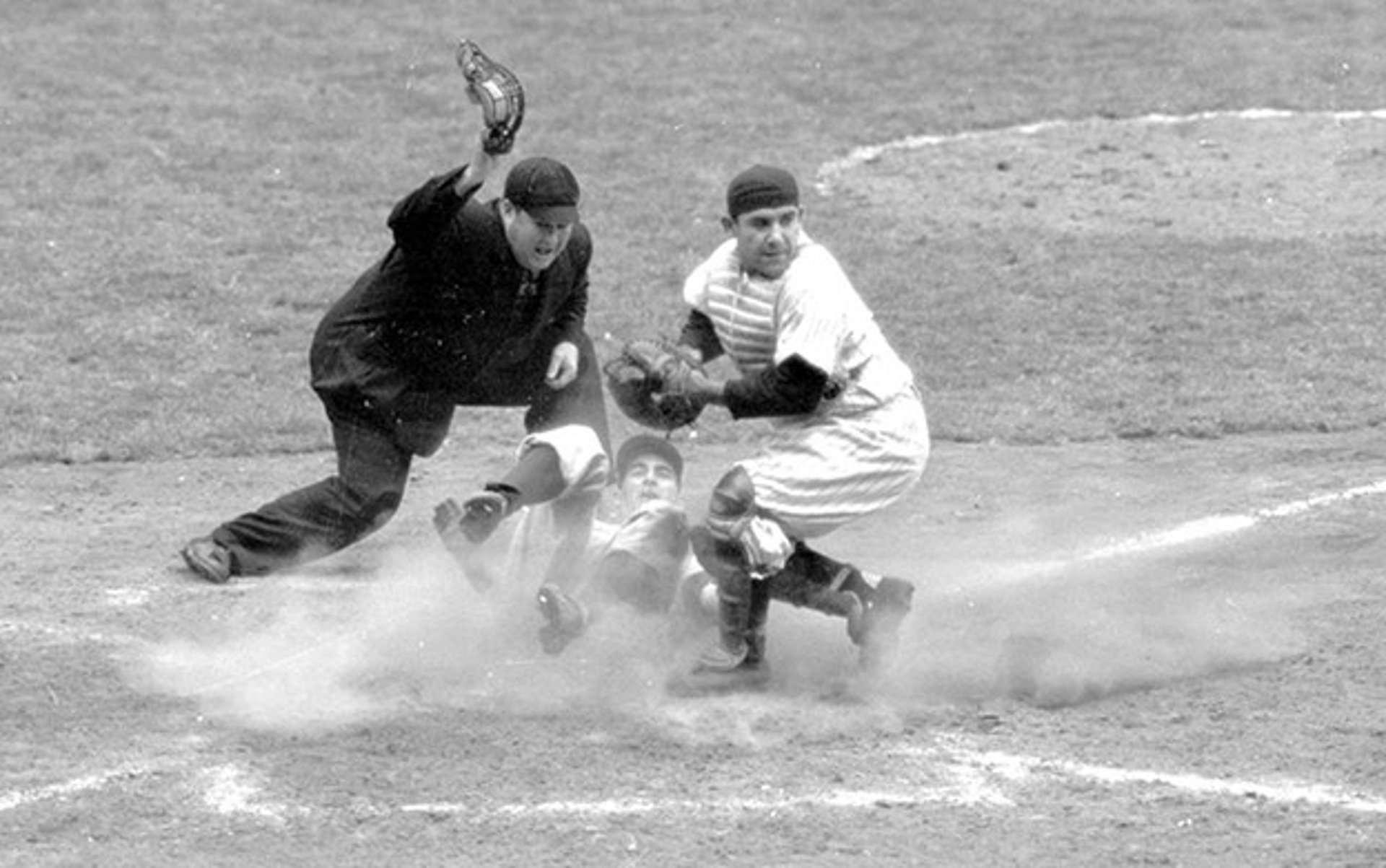
When I was in middle school, despite lacking some other desirable physical attributes, I embraced an opportunity to play catcher because I was the kid willing to place my body in front of the crazy throws of the wild pitcher on our team. Seibert frames the catcher as an essential leader on the field due to his position: “The catcher is the only player on the team who faces the entire field of play” from which position “he can direct the entire field play”. The catcher controls the tempo and flow of the game. The club’s success depends on his ability to regulate the energy of the team and channel the focus of his pitchers. Additionally, the catcher must understand the motivations and fears of all his pitchers. As Seibert puts it, “You must know everything about your pitcher” including whether you should “pat him on the back or ‘kick him in the pants’”. Seibert also highlights crucial leadership attributes that a catcher must possess and continue to develop: “He must be smart, steady, aggressive and remain calm in all situations”. As an executive, it’s crucial that you know your team, both the strengths and idiosyncrasies of its individuals and the competence, cohesion, and capabilities of the collective.
Know Thine (Social) Environment: The first imperative asserted by the U.S. Special Operations Forces is “Understand the Operational Environment”. Understanding your social environment means having a deep and honest knowledge of both your competition and your mission’s stakeholders. This is such a crucial tenet that even the world’s most elite operators appreciate its criticality and understand that fumbling this principle often leads to disastrous results. Further, the Special Operations Command first SOF truth declares “Humans are more important than hardware”. If you fail to understand the humans, the culture, and the motivations in your environment, no technology will save you. To summarize Sun Tzu’s words, if you understand yourself, your people, and your environment, you’re likely to triumph against adversity in any circumstance. If you don’t, you will fail.
“If you know the enemy and yourself, you need not fear the result of a hundred battles. If you know yourself but not the enemy, for every victory gained, you will also suffer a defeat. If you know neither the enemy nor yourself, you will succumb in every battle.” – Sun Tzu

DONEC CIVITATEM AUREAM VIDEAMUS
"Until We See the Golden City"
All site contents copyright © Alvero, LLC 2025